
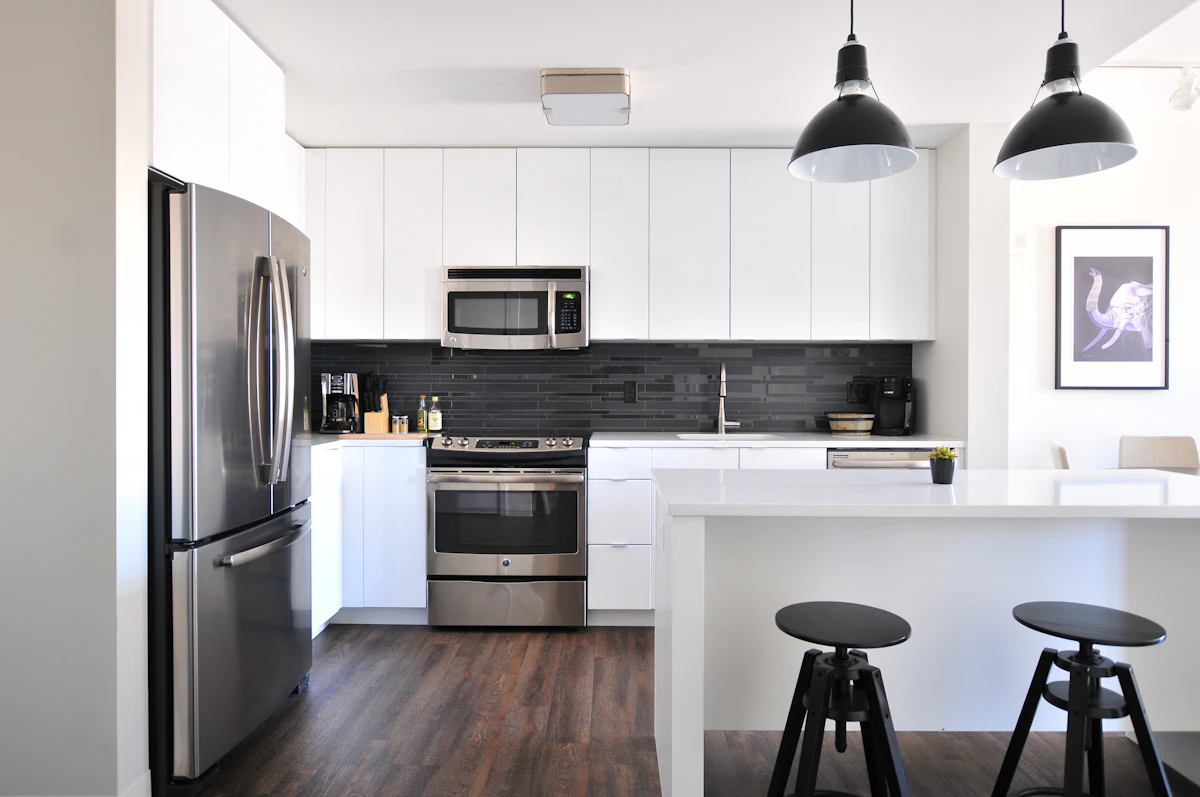
Getting your bond back at the end of a tenancy isn't luck. It's mostly about how well you keep the rental clean during the time you're there.
Stay on top of it week to week, and the final handover clean becomes a quick tidy rather than a full-day scramble. These eight habits make a real difference.
1. Do a Weekly Surface Wipe-Down
Grease, dust, and soap scum are much easier to shift when they're fresh. A quick wipe of kitchen benches, bathroom basins, and splashbacks each week stops them becoming the kind of buildup that needs real scrubbing later. Five minutes with a damp cloth and a drop of dish soap handles most of it. Leave it a month and the same job takes four times as long.
2. Clean as You Cook
The oven and stovetop are two of the things property managers look at hardest. Spills that bake on become almost impossible to remove without strong chemicals. Wipe the stovetop down after each use while it's still warm, and blot oven spills once the oven cools. It's not glamorous, but neither is losing part of your bond to a cleaning invoice you could have avoided.
3. Keep the Rental Clean Through the Bathroom
Mould is the thing that catches renters out most often. In a WA bathroom, it doesn't take long to get a foothold, especially through winter. Wipe down tiles and the shower screen after each use and leave the window open or the exhaust fan running for at least 15 minutes. A fortnightly spray of diluted white vinegar on the grout slows any growth before it becomes a problem.
If mould does appear, treat it straight away with a 50/50 mix of white vinegar and water, let it sit ten minutes, then rinse it off. Left long enough, mould becomes a repair cost rather than a cleaning one.
4. Deal With Stains the Moment They Happen
Carpet, fabric, and painted walls don't forgive delay. A red wine spill or a pet accident that you mean to tackle later almost always sets by the time you get to it. Keep a simple kit under the sink: a white cloth, cold water, and a drop of dish soap handles most carpet spills. For wall scuffs, a damp Magic Eraser lifts most marks without affecting the paint underneath.
5. Protect the Floors
Sand, grit, and small stones dragged in from outside scratch floorboards and damage vinyl over time. A mat at the front door and a no-shoes rule go a long way. Vacuum or sweep hard floors a couple of times a week and mop when they need it. If your rental has carpet in the high-traffic areas, vacuum it at least twice a week too. The fibres trap grit that wears the pile down gradually, and worn carpet is a legitimate repair charge at the end of a tenancy.
Scratched or dull floors are among the more common bond deductions, and also among the most avoidable.
6. Log Existing Damage When You First Move In
This one isn't about cleaning, but it protects your bond just as much. Walk through the property on your first day and photograph everything: chips in walls, existing stains, torn flyscreens, marks on skirting boards, anything that isn't pristine. Email those photos to your property manager the same day and keep the thread. A simple written message with the photos attached is enough. The timestamps matter.
You can't be charged for damage that was already there before you arrived.
7. Get a Professional Clean Before Handover
Even tenants who've looked after the place all year benefit from a professional clean at the end. A vacate cleaning service covers the spots a DIY clean tends to miss: oven grills, extractor fans, inside cupboards, window tracks, and the area behind the toilet. A clean that meets real estate standards gives property managers very little to push back on.
8. Read the Exit Report Before Move-Out Day
Your property manager will have a vacate checklist or exit condition report. Ask for it a couple of weeks before your move-out date and work through it methodically. It tells you exactly what they're checking, so nothing gets overlooked. The final inspection should hold no surprises.
Bond disputes almost always come down to cleanliness, and the ones that don't usually involve damage that was never documented. Keep the property clean week to week, deal with problems as they come up, and go into the final inspection with a paper trail. The bond was yours to begin with.