Moving out comes with one job that decides whether you get your bond back: the exit clean. And somewhere between packing boxes and organising the removalist, you'll land on the DIY vs professional bond clean question every renter faces at least once. Do you spend a weekend with a bucket and a checklist, or do you pay someone else to take it off your hands?
Both routes can get your bond back. They just cost you differently, one in dollars, the other in a weekend and a fair bit of elbow grease. Here's what each option really involves, so you can pick the one that suits your move.
What a bond clean has to cover
Before comparing DIY and professional, it helps to know what "done properly" looks like. A bond clean (also called a vacate or end-of-lease clean) needs to bring the property back to the condition it was in when you moved in, fair wear and tear aside. That's a higher bar than a normal weekly clean.
At minimum, it covers:
- Kitchen: inside cupboards, oven, rangehood and filter, benchtops, sink
- Bathrooms: shower screen, tiles and grout, toilet, vanity, exhaust fans
- Living areas and bedrooms: skirting boards, window sills, light fittings, inside built-in wardrobes
- Floors: vacuumed carpets and mopped hard floors throughout
Property managers work from a detailed condition report, and they've seen every shortcut in the book. Missing the inside of the oven or the tracks on the sliding door is a common way to lose part of a bond, whichever route you take.
The case for doing it yourself
Cost. This is the obvious win. A DIY bond clean costs you the price of products, maybe a carpet cleaner hire, and your time. For a lot of renters on a tight moving budget, that's the deciding factor straight away.
Time. Here's the catch. A thorough bond clean of an average three-bedroom house takes eight to twelve hours done properly, and that's on top of packing, organising utilities, and everything else moving day throws at you. Most people underestimate this badly. The oven alone can eat an hour if it hasn't been touched in months.
Effort. None of it is technically difficult. It's just repetitive, and by the third hour of scrubbing a shower screen, the appeal of a Saturday off has worn off completely.
Result. A careful DIYer with a good checklist can pass an inspection. The risk isn't ability, it's fatigue. Bond cleans are long enough that the last few rooms often get rushed, and property managers tend to notice exactly the rooms that were done last.
What you'll need for a DIY bond clean
A basic kit covers most of the job:
- Degreaser for the oven, rangehood and stovetop
- A grout brush or old toothbrush for tiles and shower screens
- Glass and mirror cleaner
- Microfibre cloths (buy more than you think you need)
- A vacuum with a good attachment set for skirting boards and tracks
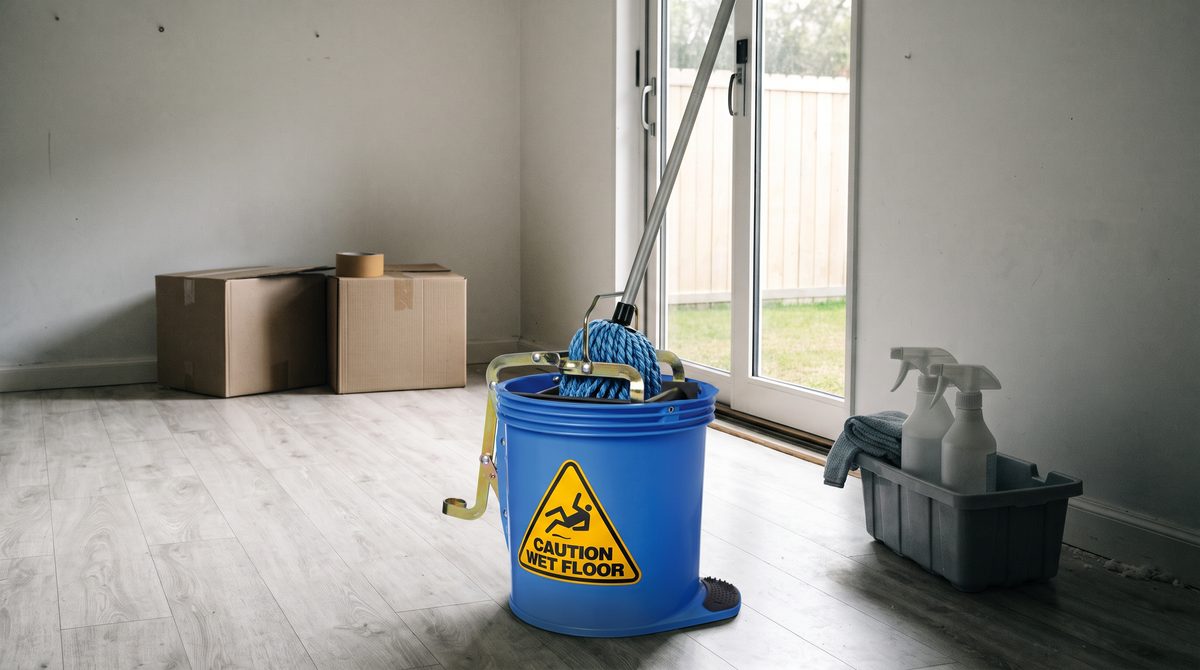
- Mop and bucket for hard floors
- A steam cleaner or carpet cleaner hire if the lease requires professional carpet cleaning
Work top to bottom and back to front in each room, ceiling fans and light fittings first, floors last, so you're not re-cleaning a surface you've already dusted.
The case for hiring a pro
Cost. This is where the trade-off flips. A professional bond clean for a standard property typically starts around $650, and climbs for larger homes or places that need extra work. It's a real cost, but weigh it against the hours you'd otherwise spend and the risk of a failed inspection costing you part of your bond anyway.
Time. A professional team gets the same job done in a fraction of the time, usually a few hours for an average property, because there are multiple people working through the checklist at once rather than one exhausted renter doing it solo.
Effort. None, beyond booking it in and clearing your belongings out beforehand. This is the whole appeal on a moving week that's already stretched thin.
Result. Experienced cleaners know exactly what property managers check for, because they've seen hundreds of exit inspections. The good ones back the job with a re-clean guarantee, so if anything gets flagged, they come back and fix it rather than leaving it as your problem.
DIY vs professional bond clean, side by side
| DIY | Professional | |
|---|---|---|
| Cost | Products only, roughly $50 to $150 | Typically $650+ depending on size |
| Time | 8 to 12 hours of your own time | A few hours, done by a team |
| Effort | High, and it's on you | Low, mostly hands-off |
| Inspection risk | Depends on energy and thoroughness late in the job | Lower, backed by experience and often a re-clean guarantee |
| Best for | Smaller places, flexible schedules, tight budgets | Bigger homes, tight moving timelines, no room for a failed inspection |
So which is worth it?
Go DIY when the property's small, you've got a spare day with nothing else competing for it, and you're comfortable working through a checklist methodically without rushing the last room. A studio or one-bedroom unit in reasonable condition is manageable solo without much drama.
Go pro when you're juggling a moving date against work, kids, or a long drive between properties, the place is larger, or the bond matters more than the cash saving. If the property hasn't had a proper clean in a while, the time saving alone often justifies the cost.
There's also a middle path worth mentioning: some renters do the packing-friendly parts themselves (wiping down surfaces as they empty rooms) and bring in a professional for the heavy jobs like the oven, carpets, and grout. It's a reasonable way to cut cost without taking on the whole job.
Common bond clean fails that cost renters money
A few jobs come up again and again on failed exit inspections, whichever route you take:
- The inside of the oven. Easy to skip, easy for a property manager to spot. Racks, trays and the door seal all count.
- Rangehood filters. Greasy filters are one of the most common flags on a kitchen inspection.
- Skirting boards and door tracks. Dust builds up along the bottom of every wall and in every sliding door track, and it shows against fresh paint.
- Carpet steam cleaning. Many WA leases require this at exit regardless of how clean the carpet looks. A vacuum alone won't satisfy that clause.
- Wall marks near light switches and door handles. Hand marks build up over a tenancy and are one of the first things an inspector checks.
Work through the property manager's actual condition report, not a generic checklist, and you'll avoid most of the surprises at inspection, whichever option you go with.
Where we fit in
At Enhanced Cleaning, we handle vacate cleaning across Perth and Bunbury for exactly the renters who've decided their moving week doesn't have room for a full day of scrubbing. We're fully insured, police-checked, and every vacate clean is backed by our satisfaction guarantee: if anything doesn't pass the property manager's inspection, we come back and put it right.
If the DIY option is starting to look like more trouble than the bond's worth, get a free quote and see what a professional clean would cost for your place.